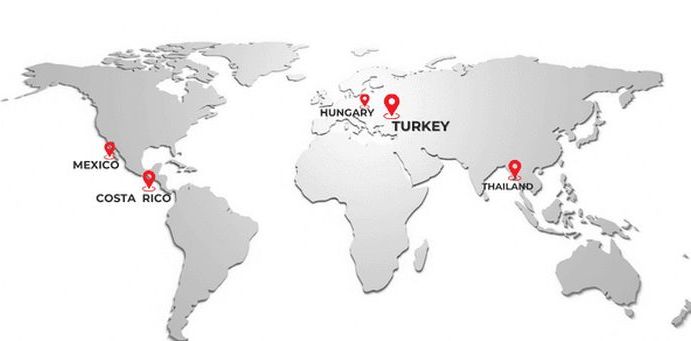
US patients increasingly look beyond Mexico for dental implants, and two of the strongest alternatives are Turkey and Hungary – with Budapest now emerging as a particularly practical choice for East Coasters thanks to new nonstop flights from Philadelphia starting May 2026. While Turkey and Mexico focus heavily on low prices, Hungary – and especially Budapest – offers a blend of European Union–regulated safety, modern technology, and long-term value that many implant patients find reassuring.
Why Look Beyond Mexico?
For many Americans, Mexico has been the default destination for affordable dental implants, but its advantages come with some trade-offs.
-
Price-driven clinics in border towns may prioritize volume over continuity of care, which can be risky for complex implant or full-mouth cases.
-
Standards, materials, and warranties can vary widely between clinics, making it harder for patients to judge long-term reliability.
-
Follow-up visits sometimes feel rushed, as many practices are built around short “dental vacation” windows rather than staged, carefully timed implant protocols.
This has led many US patients to compare Mexico with a new group of destinations in Europe – particularly Turkey and Hungary – where clinics emphasize comprehensive diagnostics, implant planning, and long-term restorative strategies rather than quick fixes.
Cost: Mexico vs Turkey vs Hungary
Most Americans start with cost, but the more important metric is cost over the lifetime of the implant – including revisions, repairs, and replacements.
-
Typical single implant fees abroad (implant only, not full arch) often fall roughly into these ranges:
-
Mexico: about 1,000–1,500 USD per implant.
-
Turkey: about 350–900 USD per implant.
-
Hungary: about 500–1,100 USD per implant.
-
-
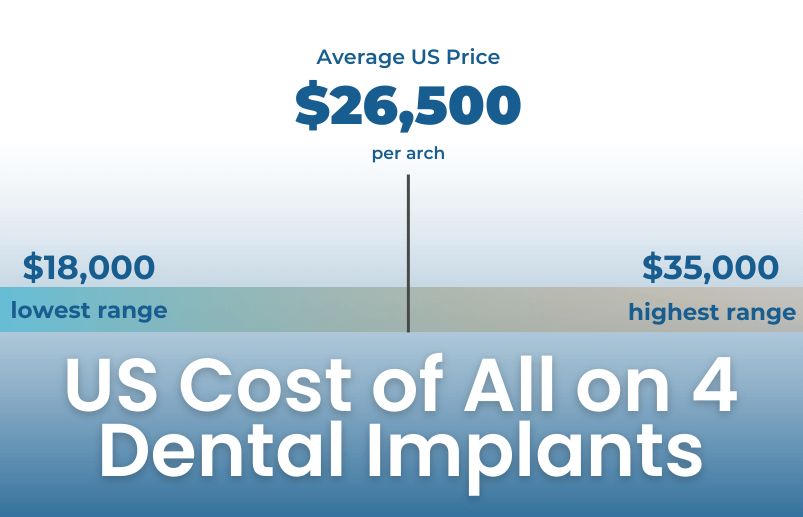
Compared with US fees of 3,000–5,000 USD or more per implant, patients can often save 50–70% by choosing a reputable clinic in Hungary or Turkey, even after flights and accommodation.
-
Hungary is frequently highlighted in international cost comparisons as offering some of the best value in Europe – competitive prices combined with high treatment quality and stable, EU-regulated practice conditions.
For full-arch or full-mouth restoration cases, where several implants and large prosthetics are involved, the total savings can reach many thousands of dollars, especially when comparing Budapest with US metropolitan prices.
Cost–value balance table
| Destination | Typical single implant range (USD) | Regulatory context | Overall value focus |
|---|---|---|---|
| Mexico | ~1,000–1,500 per implant | National standards, variable by region | Strong on headline price, mixed on long-term structure |
| Turkey | ~350–900 per implant | National regulations, tourism-focused hubs | Very low prices, aggressive packages |
| Hungary (Budapest) | ~500–1,100 per implant | EU standards, dense specialist ecosystem | High value through quality, predictability, and longevity |
Clinical Quality and Safety
When replacing teeth with implants, the quality of surgery, planning, and prosthetic work matters more than saving a few hundred dollars.
-
Hungary is widely described as the “dental capital of Europe,” with a long history of implantology, modern imaging, and strict health and safety regulations under European Union law.
-
Budapest hosts a dense cluster of clinics that routinely treat international patients from the UK, Germany, France, and North America, which encourages investment in advanced technology such as 3D CBCT scanning, guided surgery, and CAD/CAM prosthetics.
-
International rankings and clinic guides frequently list Turkey, Hungary, and Mexico among the leading destinations for dental implants, but emphasize that Hungary stands out for its balance of clinical expertise, safety, and consistency.
Turkey has many modern clinics with English-speaking staff and extensive experience with overseas patients, particularly from Western Europe and the Middle East, yet patient experiences can vary depending on whether you choose a boutique clinic or a high-volume “dental factory.” Mexico shows similar variation, especially between established urban practices and low-cost operators clustered in border towns.
For patients who value predictable protocols, evidence-based treatment planning, and EU-style sterilization and record-keeping standards, Budapest often provides an extra level of reassurance.
Budapest’s Strategic Advantage for US Patients
Until recently, the main barrier for American patients considering Hungary was not clinical quality, but logistics. That changes in 2026.
-
American Airlines is relaunching a direct daily flight between Philadelphia and Budapest from late May 2026, operating with a Boeing 787-8 Dreamliner between May 21 and October 5.
-
The route will offer more than 3,000 seats per week and connect Budapest not only with Philadelphia, but with over 100 onward destinations across North America via the airline’s hub network.
-
For dental implant patients, this removes the need for complex connections through other European hubs, reducing travel fatigue and making staged treatments much easier to schedule.
For residents of Pennsylvania, New Jersey, Delaware, and nearby states, Philadelphia International Airport becomes a straightforward gateway to Budapest’s implant clinics. Instead of navigating multiple layovers to reach Central Europe, patients can depart from a familiar US airport and arrive directly in Hungary’s capital, often in time for a next-day consultation or pre-planned surgery slot.
Treatment Planning and Follow-Up
Dental implants are rarely a one-visit procedure, so the way a destination supports multi-stage care is crucial.
-
In Budapest, many clinics have refined protocols for international patients, combining online pre-assessment with in-person diagnostics, digital planning, and efficient surgical scheduling.
-
Standard implant journeys usually include an initial visit for extractions, bone grafts if needed, and implant placement, followed by a healing period and a second trip for final crowns or bridges – something that the Philadelphia–Budapest nonstop makes far more manageable for East Coast patients.
-
European clinics in Hungary often emphasize long-term follow-up, providing detailed surgical documentation and implant passports that can be shared with local dentists back home for maintenance.
Turkey also offers coordinated treatment packages, sometimes bundling hotel stays and transfers into all-inclusive deals that appeal to time-pressed travelers. However, some patients prefer Budapest’s slightly less “package-holiday” feel, where dental care is central and tourism remains optional rather than the main selling point.
Tourism, Comfort, and Overall Experience
For many patients, the success of a dental trip is not only measured by the final X-ray, but by how they felt during the journey.
-
Budapest combines historic architecture, thermal spas, and a relaxed café culture, making it easy to recover quietly between appointments while still enjoying a sense of being on a European city break.
-
The city has a strong tourism infrastructure, with a wide range of mid-range and upscale hotels, apartments, and wellness options close to major dental districts on both the Buda and Pest sides.
-
With the new Philadelphia direct route, many Americans can plan shorter, more focused trips – for example, a long weekend for consultation and diagnostics, followed by a longer stay for surgery at a later date – without convoluted connections.
Turkey offers spectacular coastal resorts and lively urban centers like Istanbul, which some patients appreciate if they prefer a “holiday plus treatment” concept. Mexico’s beach destinations and border towns can provide similar experiences, though some patients are now actively comparing overall safety, transport simplicity, and healthcare regulation when choosing where to go.
Regulation, Transparency, and Peace of Mind
As implant dentistry becomes more sophisticated, patients are increasingly aware of the importance of regulation and traceability.
-
Hungary, as a member of the European Union, requires clinics to comply with stringent health, safety, and infection-control rules, with many practices also holding additional international accreditations.
-
Implant brands used in Budapest are typically the same global systems found in Western Europe and North America, which facilitates maintenance or future upgrades if needed.
-
Transparency around treatment planning, consent, and pricing is often a selling point, with clinics providing line-item quotes, clear timelines, and documentation in English for US patients.
Turkey and Mexico both have reputable, well-regulated clinics, but regulatory oversight is less standardized from a US patient’s perspective, especially when comparing different regions or resort areas. As a result, many patients who are comfortable flying a bit further gravitate towards Budapest for the sense of structure and predictability that comes with EU healthcare frameworks.
When Hungary Is the Better Alternative
For American patients specifically evaluating alternatives to Mexican dental implants, Budapest often becomes the favored option in several scenarios.
-
Patients needing full-arch or full-mouth implant solutions who want to prioritize long-term stability and aesthetics over the very lowest initial price often lean toward Budapest’s specialist clinics.
-
Those living within easy reach of Philadelphia who value a single, direct transatlantic flight instead of multiple changes bring Hungary back onto the radar as a realistic, convenient choice.
-
Individuals who are nervous about cross-border medical tourism in loosely regulated regions often find comfort in Hungary’s EU context and its reputation as a mature dental tourism hub.
Turkey can be an excellent solution for patients attracted by ultra-competitive pricing and package deals, particularly if they are comfortable with longer travel times and busy clinic environments. Mexico remains attractive for those who want a short flight from the southern US and are willing to dedicate extra time to researching clinic quality and aftercare structures.
Budapest and the Future of US Dental Tourism
As direct connectivity between the United States and Central Europe improves, Budapest’s role as a global dental destination will only grow stronger.
-
Market analyses already list Hungary alongside Turkey and Mexico as one of the most popular countries for patients seeking affordable yet high-quality dental implants abroad.
-
Articles aimed at US and Canadian patients often single out Hungary for its unique blend of clinical expertise, competitive pricing, and cultural appeal, frequently calling it a “dental capital” or one of the most trusted European options.
-
The Philadelphia–Budapest direct route is expected to boost both general tourism and medical travel, making it easier for American patients to align dental treatment with vacation time, family visits, or even business travel.
For US dental patients who have outgrown the quick border-town model of Mexican dental tourism and want a more structured, evidence-based approach to implants, Budapest presents a compelling alternative. With EU-regulated clinics, experienced implantologists, and a new nonstop connection from Philadelphia, the Hungarian capital combines predictable clinical processes with the kind of city-break atmosphere that makes dental treatment abroad feel less like a compromise and more like a smart, forward-looking decision